Machine Learning and Artificial Intelligence in Human Capital Management
Machine Learning (ML)and Artificial Intelligence (AI):to some these words may sound scary or more like science fiction. Remember when Skynettakes over in the Terminator movie or when HAL 9000in 2001: A Space Odyssey, no longer receives orders from Humans and starts making his own decisions? At the time, these movie plots sounded like just like -Science Fiction, but in today’s world, it is possible for computers to make their own decisions. This article provides a basic examination of ML and AI. Since Human Capital Management is my field of expertise, I invite you to review basic use cases and to start an ongoing conversation to delve deeper into more use cases for future publications.
Technology has evolved rapidly over the past few years. It is becoming increasing difficult to keep up with all the new technology concepts such as “Cloud, Blockchain, Artificial Intelligence, Cryptocurrency, SaaS, PaaS, IaaS, Big Data”, etc. All these new technologies and/or concepts sooner or later will become part of the lexicon at work, at home, at school and nearly anywhere where we use devices connected to the Internet.
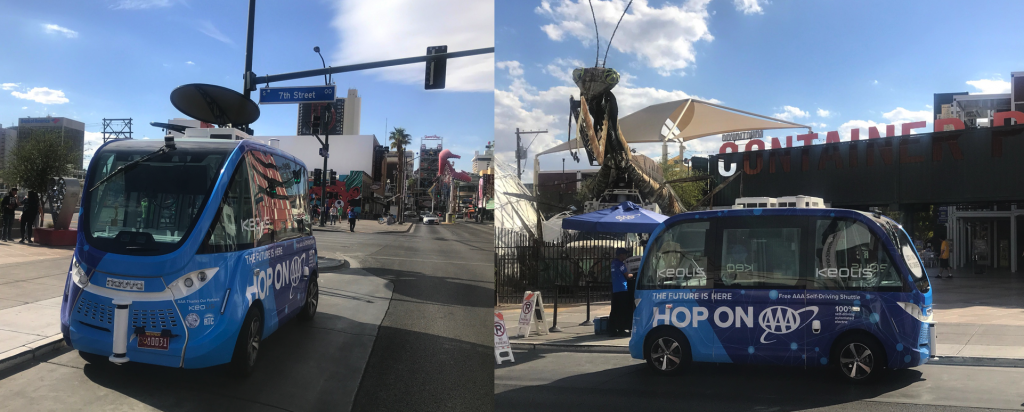
What is the Internet of Things?
According to Wikipedia “The Internet of Things (IoT) is the network of physical devices, vehicles, home appliances, and other items embedded with electronics, software, sensors, actuators, and connectivity which enables these things to connect and exchange data,[1][2][3][4][5][6] creating opportunities for more direct integration of the physical world into computer-based systems, resulting in efficiency improvements, economic benefits, and reduced human exertions.[7][8][9][10]” In summary IoT is a collection of devices connected to the internet enabled to send and receive data.
What is Machine Learning?
According to Wikipedia “Machine learning is a subset of artificial intelligence in the field of computer science that often uses statistical techniques to give computers the ability to “learn” (i.e., progressively improve performance on a specific task) with data, without being explicitly programmed.[1]” Machine Learning is the ability of computer mechanisms to learn with data and improve their own algorithms automatically.
What is Artificial Intelligence?
According to Wikipedia “Artificial intelligence (AI, also machine intelligence, MI) is intelligence demonstrated by machines, in contrast to the natural intelligence (NI) displayed by humans and other animals. In computer science AI research is defined as the study of “intelligent agents“: any device that perceives its environment and takes actions that maximize its chance of successfully achieving its goals.[1]Colloquially, the term “artificial intelligence” is applied when a machine mimics “cognitive” functions that humans associate with other human minds, such as “learning” and “problem solving[V1] “” AI is the ability for machines to learn and make their own decisions.

Machine Learning and Artificial Intelligence in our Daily Duties
In today’s world we have been exposed to Machine Learning and Artificial Intelligence the actions we take with our smart devices and the internet are powered by AI and ML. Every day billions of people around the world use electronic devices to connect to the internet. According to Kleiner Perkins Internet Trends 2018 Reportat 3.6B Internet Users has surpassed half of the world population. Every day internet users perform daily tasks such as checking email, updating work calendar and personal schedules, setting and reviewing reminders, looking for directions, reading instructions, sharing pictures, reading or watching the news, etc. Transactions that we used to do face to face with real people such as such as paying for goods and services, depositing checks, paying bills, reviewing driver’s license and car registration, asking a librarian for certain books, etc. have been substituted by online services, online book stores, and Apps that allow you to Pay Bills and even depositing checks. Corporations are leveraging their core services via online format. This includes such elements such as Financial Services, Healthcare, Retail, Professional Services, Education, etc. Tech giants and social networks like Facebook, Google, Amazon allow Corporations to advertise, sell, interact, and gather feedback from consumers. As we use and engage in these websites and apps, all our activity is being analyzed. In other words, the online companies learn how we use the device and the apps, the content we consume, how much time we spend using their sites and apps, and in general they fully analyze our behavior. Take another example of the use of an ATM. If you pull 100 Dollars in cash every time you go to an ATM and you decide not to print a copy of the receipt rather you want an electronic copy to your inbox, the next time you go to the ATM most likely will be the default and recommended transaction. How does the ATM know it? because there is technology from a Machine Learning constantly studying our behavior. What would happen if I or someone else wanted to cash a check for $5,000.00? First of all, it is not my normal behavior to Cash a 5,000 Dollars check, nor to write $5,000 check for someone else, hence if that ever happened the bank will try to cross reference more information about the spending habits based on the users behavior patterns, if the system determines that there is enough data to prove and justify the behavior, then the check will be cashed, otherwise the system will determine fraud activity and won’t let the check to be cashed. Think about the “underwriters” analyzing at a home buyers’ financial activity prior to purchase. Well those machines are doing the underwriter’s job. While These types of decisions traditionally were coded in algorithms nowadays the ML engines can make the decisions by themselves.
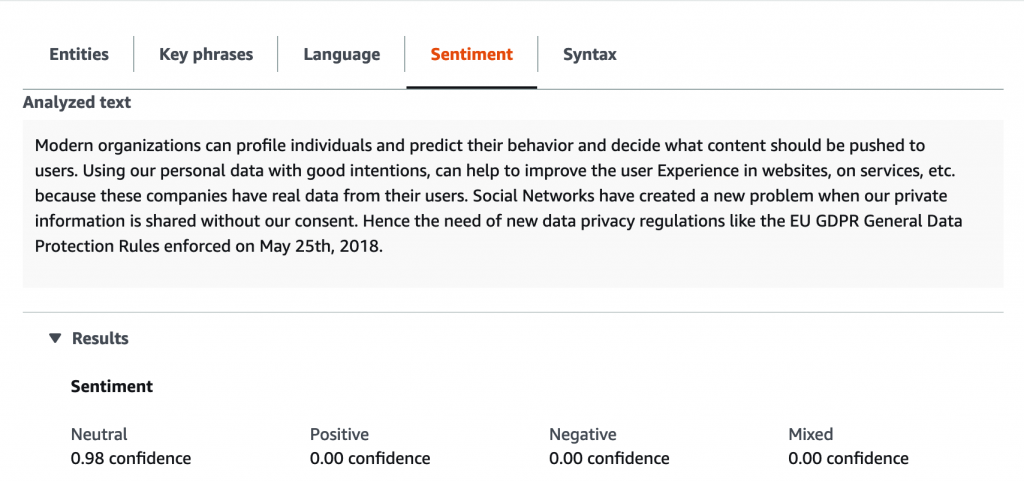
Sentiment Analysis
Corporations, Social Networks, and other websites and apps are studying our opinions online. They are constantly analyzing our writing, our likes, dislikes,etc. Studying our linguistics is called “Sentiment Analysis”. Sentiment Analysis is very commonly in Social Networks, these types of websites or apps are constantly pushing content towards us, such as news, photos, friend’s recommendations, etc., but also Corporations can use this type of information to receive “real-time feedback”about their products, their marketing campaigns, and how they are perceived online around the globe. Sentiment Analysis can help to understand the content on the internet, the products, and services that people like based on their opinions, or by purchasing products and services. By analyzing our “likes or dislikes”, these networks constantly push content context based to persuade our behavior and making us buy products and services and engage in conversations. Modern organizations can profile individuals and predict their behavior and decide what content should be pushed to users. Using our personal data with good intentions, can help to improve the user Experience in websites, on services, etc. because these companies have real data from their users. Social Networks have created a new problem when our private information is shared without our consent. Hence the need of new data privacy regulations like the EU GDPR General Data Protection Rules enforced on May 25th, 2018.
Using Machine Learning and Artificial Intelligence in Enterprise Software
In the Human Capital Management world, the most important asset is the “People”. People make things happen, they work, they plan, they make decisions, and they have fun. People help organizations to deliver tangible and intangible products and/or services. The human aspect in the organizations also creates an identity and a culture that defines the company. Some examples of this type of identity development include Apple’s “Think Different”, Google’s “Don’t be Evil”, United Airlines’ “Friendly Skies”, etc. It is important if your organization decides to implement Artificial Intelligence and Machine Learning to ensure that the companies’ Core Values are reflected by the decisions made by the software. Automation may make your organization more efficient, but it also may contribute to make it “less human”.
Predictive Models
Predictive Models help organizations to anticipate events and take the corrective and preventive actions. Such predictive models could be analytics, systems, devices, and safety nets. Anything that would help you anticipate demographic events, economic events, political events, and events caused by mother nature among others. Throughout the years I have worked with systems that rely on algorithms, thresholds, conditional code i.e. “If this, then do this”, event driven, and step-process systems. What is lacking in these systems is the ability to learn from its own data, actions taken, and to learn from human behavior, and most importantly to bring real-time data from other entities that would help the system to become smarter and therefore to help companies make smarter decisions. The following are some systems that could benefit from Machine Learning and Artificial Intelligence.
- Workforce Optimization: This type of system helps companies determine the optimal ratio of human capital assigned to Work Units. In retail, the Workforce needs to be assigned to Stores, Departments, Product Lines The optimization is defined by various factors that could be predicted via models or via experience at working in Retail. For example, demand increase is expected every day during Peak Hours, in certain seasons such as Thanksgiving and Christmas, but also by popularity of Product Lines and special launching events. This includes things such as promotions for “the New iPhone”, new XBOX console, celebrities, book signing, showcases, In the previous examples workforce models can be adjusted base on the predictions made by knowledge and data existing in our systems. Here is another example, on September 2017 in Mexico there was had terrible and unfortunate natural disasters such as Earthquakes. The earthquakes not only paralyzed all the economic activity in Mexico for Days and Weeks, but they also destroyed work centers, leaving people missing, people traumatized for weeks and months. Many of them required therapy to help them recuperate and to integrate to the workplace again. An interesting question to ask, is a predictive model ready to help you only with economic insights or is it also taking in considerations natural disasters and human situations and/or conditions derived of these events?
- Health and Safety: Health and Safety and Absence Management are an important a subset of Workforce Management. These units need to emphasize specific use cases and the effect on Workforce Optimization levels. According with the Department of Labor the Absence Rate among Full Time workers was 2.8%in 2017, more specifically 1.9% was related to an illness or to a work-related injury, and the other 0.9% is due to “other reasons”. A key aspect is to identify those other reasons and even those identified as illness and work-related injuries it is necessary to identify what is causing it. By analyzing the causes, you can determine and predict whether the work accidents, illness, and absenteeism can be eliminated or reduced. For example, any increase in work accidents due to increases in demand of manufacturing “New Smart Phones” can be used as a predictor. Organizations can evaluate and correlate demands for goods and services versus the schedule deviation and determine if by over working the workers can reduce not only on physical injuries, but also the levels of stress, and in occasions suicide rate due to work conditions. Even as harsh as it sounds, working conditions in countries can lead to work exhaustion and to suicide and other mental illness. Hence it is important to correlate all these sources of information to improve your Health and Safety systems from simple tracking systems to actual Predictive Models.
- Policy Enforcement: Enforcing Policy at work could have serious implications, for example unjustified Terminations, denying or approving promotions, changes in salary, denying Sick Time, etc. Many of these Human Resources actions go beyond policy and have legal actions. Those actions could be challenged not only by Workers, Unions, Human Resources Department and could end up disputed in Court. Machine Learning and Artificial Intelligence could help to analyze complex scenarios and learn from previous decisions thus helping Managers, Approvers, HR Personnel to make or more informed decisions.
Chatbots and Smart Assistants
As mentioned earlier, traditional Enterprise Software is programmed manually using pre-defined rules and decision flows. Decades ago when Workflow was introduced as a modern mechanism to configure business rules, it was innovative but even such configuration has to be tailored to organizations when changes are needed such as policies, business processes, regulations, etc. Therefore, these types of traditional systems are configurable, however cannot be considered self-learning systems. Modern smart systemsare those that can self-learn based on most common Use Cases, Best Business Practices, Managed Exceptions, and those that can self-adjust, make, and help users make better business decisions, Machine Learning and Artificial Intelligence can help to make Workflow smarter.
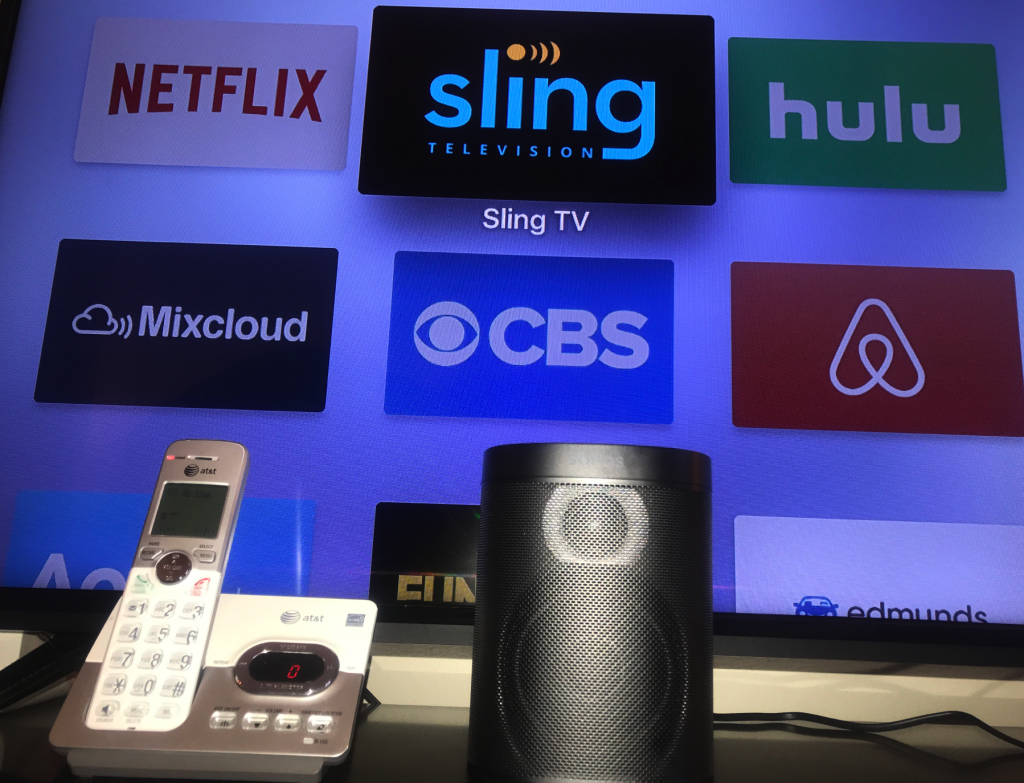
Chatbots and Smart Assistantssuch as Apple’s Siri, Amazon’s Alexa, Microsoft’s Cortana, and Google’s Google Home, are technology enablers for Machine Learning and Artificial Intelligence, each of the organizations mentioned before has its own Machine Learning and Artificial Intelligence system that companies can leverage for their business through Public APIs. How do these Smart Assistants work?here is one example, I own Amazon Alexa devices with my Sonos Speakers and Amazon’s Fire TV, so if I ask Alexa to play music, Alexa most likely will play some kind of “Electronic Music” because Alexa already knows my musical taste. How does Alexa know that? Because in the past I have asked Alexa to play some of my favorite DJs, Tracks, and Music Genres that I like to listen, I also purchase, store, and stream music in Amazon. Moreover, Alexa knows that during the morning I like to listen “uplifting songs” and during the evening I like “chilling or relaxing type of music”. Alexa’s Machine Learning learned my preferences and then applied them. That is how Smart Assistant technology works.
Within Enterprise Software, we could also leverage the APIs from for these devices and expect them to work in the same way at home as if using those for businesses. For example, let’s say a company decided to use Amazon’s Alexa’s API, allowing Alexa to act like a corporate assistant. If I had an Alexa speaker in my office which I can use to listen to music, news, or simply I want to use it as my “Smart Assistant”. If I am in a role of Workforce Manager for a Retail Region for the US East Coast, then if I asked, “Alexa what is the Absence Rate for my Division”, then after training Alexa, I would expect to tell me the Absence Rate for the East Coast, more over Alexa should provide me with other key insights and allowing me to automatically drill down into more specifics and insights related to my original request. As I continue training Alexa, I would expect the system to respond to commands like “Alexa provide me an Executive Summary of my Division” then Alexa should provide me first with the key Insights and Highlight those that require of my attention. As you can see Machine Learning should replace the traditional hard-coded decisions and can add rules to the system automatically based on my most common needs, rather than expecting to have those manually configured in the system.
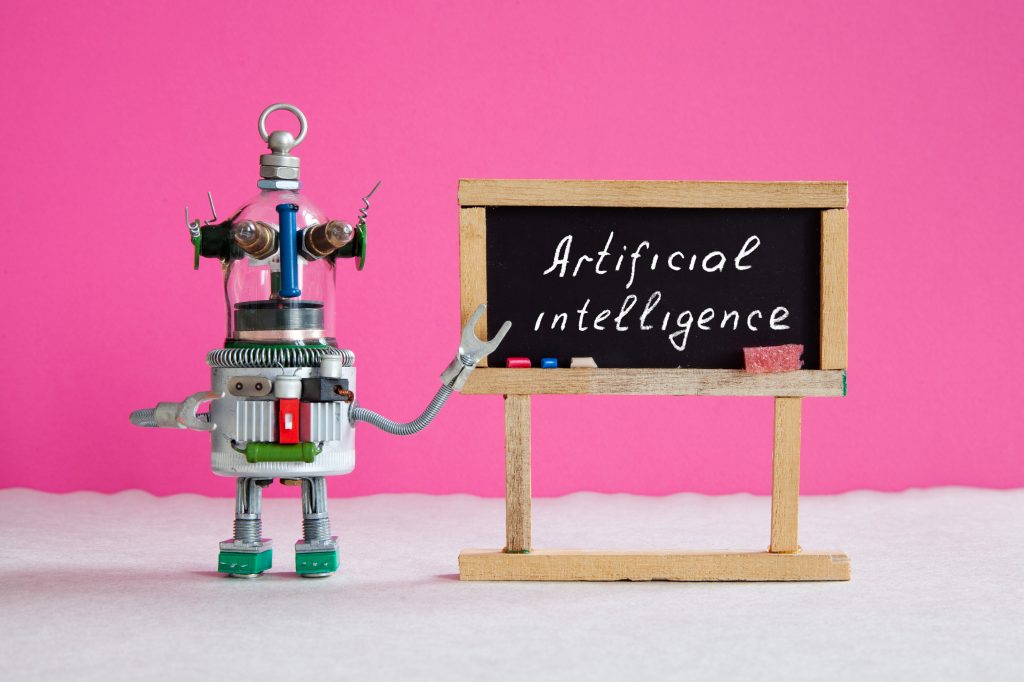
The Enterprise Software of the Future – In Summary
The Enterprise Software of the Futureshould have a solid foundation on Machine Learningand Artificial Intelligence. The modern Software should be designed on AI and ML platforms. The architecture should be flexible enough to allow real-time data from system of records to be quickly processed by the ML system and deliver top-notch automated decisions or help your system devices whether this is web apps, dashboards, mobile apps, and smart assistants. Modern systems should provide you with key insights, and the ability to learn from decisions, actions, users, and all the feedback in general to not only improve the decision process flow, but to automatically update the core system.
The new system should be able to incorporate data and knowledge from other Machine Learning platforms and from other systems in that way your new system will have a very solid foundation and you will have top information to stay ahead of your competitors.
Main Take Away Points
- Corporations should be responsible to maintain the human essence in the decisions made by the machines. Decisions should not be made strictly to enforce automatic policies. There should be check and balances to ensure that key and drastic decisions made by machines get evaluated. Machines need to learn to treat people as humans.
- Machine Learning and Artificial Intelligence are real, the technology exists, and it is evolving, we have to embrace it in our daily lives.
- Modern systems need to embrace new technology from their core, only using the latest your company can stay ahead of the competition.
- Corporations looking to improve the bottom lineby using ML and AI for automation, need to consider the creation of jobs for humans. One can only rely at some point on machines making all the work and decisions for us. We understand that corporations need to evolve, but they are also responsible to make the World a Better Place.
Bottom (L-R): Burning Man’s spin-off “Further Future Festival” Silicon Valley Tech Elite in Las Vegas’ Desert | Light Divergence

0 Comments